Clinic Logo Clinic Logo Mobile

Why Choose Sankara Homoeopathy?


Sankara Homoeopathy was born out of a simple yet powerful belief that every person deserves healing that is not only scientific but also soulful. Founded by a team of dedicated doctors, we bring together years of clinical experience, academic excellence, and deep compassion to serve our community.

We follow the core principles of classical homoeopathy, treating the root cause and not just the symptoms. Each patient who walks through our doors is given undivided attention, in-depth case-taking, and a personalized remedy that addresses their physical, emotional, and mental well-being.

Our Mission


At Sankara Homoeopathy, our mission is to bring genuine healing to every patient by practicing pure, personalized, and ethical homoeopathy. We are devoted to treating each individual with empathy, taking time to understand their mind and body, and providing remedies that heal from the root. We aim to create a safe and welcoming space where trust is built, where families learn about holistic wellness, and where care is not rushed but real. Our work is guided by the timeless wisdom of classical homoeopathy, blended with modern understanding and a heart full of compassion Same matter in easy understanding way

Why Choose Homoeopathy?

Treats the Person, Not Just the Problem

Homoeopathy looks beyond the disease. It understands your physical complaints, emotions, thoughts, and lifestyle — and offers healing for the whole person.

Gentle, Natural Healing

Remedies are prepared from natural substances in a safe, diluted form. They support your body’s healing without causing any harm.

Tailor-Made for You

Every prescription is unique. Your remedy is selected based on your specific symptoms, habits, and personality — no one-size-fits-all.

No Toxins, No Side Effects

Homoeopathy is free from chemicals and is non-habit forming. It’s safe for everyone — kids, pregnant women, and elders alike.

Helps in Long-Term & Chronic Illnesses

Whether it’s allergies, skin problems, hormonal issues, or stress — homoeopathy aims at long-term relief by treating the root cause.

Builds Natural Immunity

By strengthening your inner healing power, homoeopathy helps your body respond better and stay healthier in the long run.

Online Consultation Procedure

1.

Book Appointment

Please visit the ‘Book an Appointment’ section of our website to book appointment

2.

The Consultation

We will set up a 1 – 1.5 hour long first consultation and case history. Appointment based on mutual convenience

3.

Case History

You will be requested to share relevant reports, prescriptions, photographs and videos as required, over email

4.

Consultation

After the video consultation, we will send medicines by courier to your doorstep.

Our Doctors


Dr. Jeevesh Paramathmuni

BHMS, MD (Hom)
Consultant Physician

Dr. M Padmashree

BHMS, MD (Hom), SCPH, Gold Medalist
Consultant Physician

Dr. Dheeraj Paramathmuni

BHMS, FFAC
Consultant Physician

Contact & Timings


Address:

D no 7-5-84A Beside zilla kammavari seva sangham Anjaiahroad Near Nirmala concept school Nirmalnagar Ongole

Phone:

+91 7799794568
+91 9900104401

Email:

sankarahomoeopathy@gmail.com

Timings:

Monday - Sunday:
10 AM - 2 PM
5 PM - 9 PM

© 2025 Sankara Homoeopathy. All Rights Reserved.
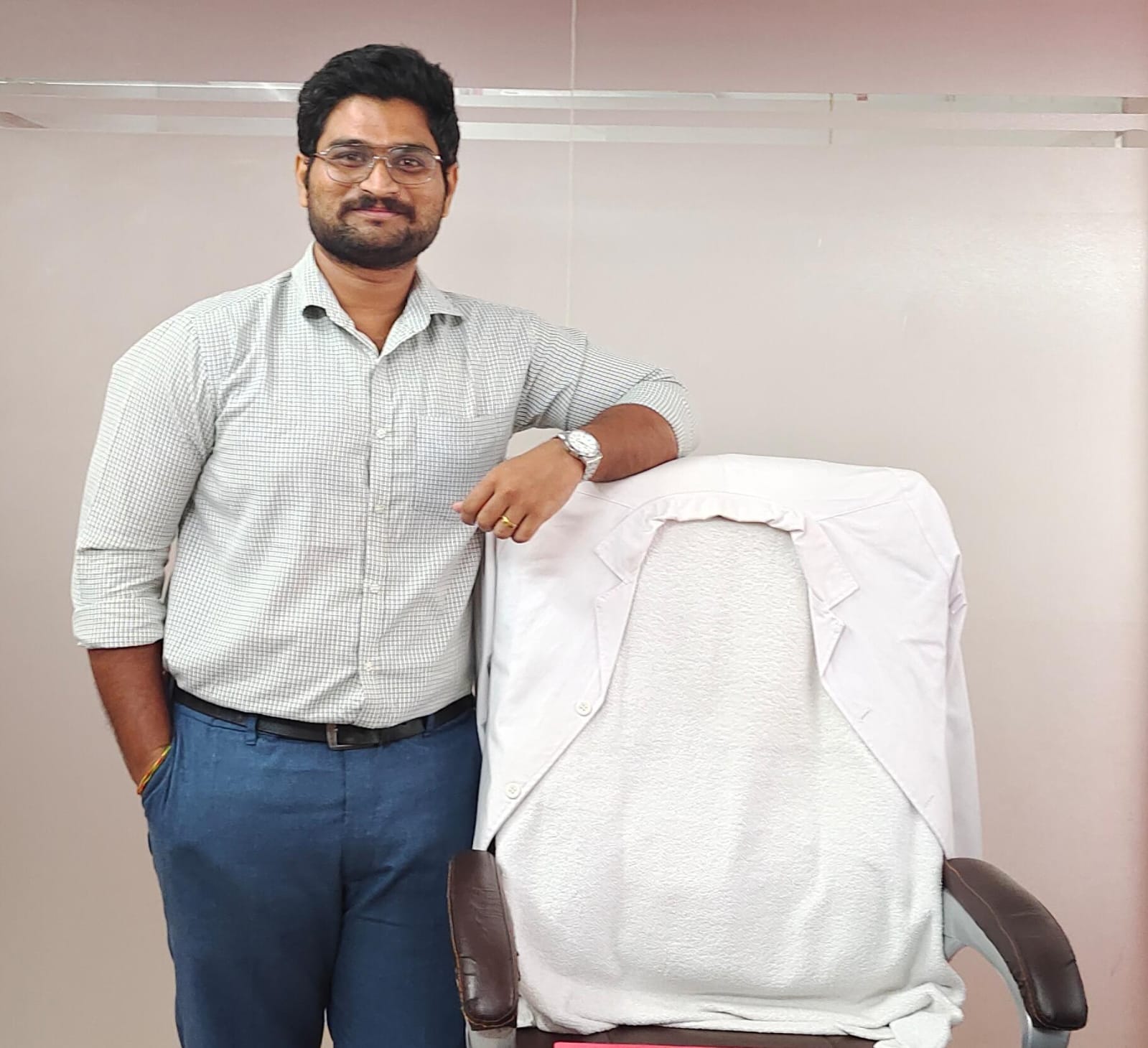
Dr. Jeevesh Paramathmuni

BHMS, MD (Hom)

Consultant Physician – Sankara Homoeopathy

Dr. Jeevesh Paramathmuni

Dr. Jeevesh completed his BHMS and MD in Homoeopathy from the renowned Government Homeopathic Medical College, Bangalore. He brings a dynamic and patient-centric approach to healing, with a strong foundation in classical homoeopathy.

Passionate about understanding the root cause of illness, Dr. Jeevesh combines in-depth case analysis with empathy and precision. His focus is on holistic recovery and long-term well-being for every individual who walks into the clinic.

Dr. Padmashree M

BHMS, MD (Hom), SCPH, Gold Medalist

Consultant Physician – Sankara Homoeopathy

Dr. Padmashree M

Dr. Padmashree is a gold medalist homeopathic physician who completed her BHMS and MD from the prestigious Government Homeopathic Medical College & Hospital, Bangalore. With two gold medals to her credit, she brings academic brilliance and compassionate care together.

She has further honed her skills with an advanced certification (SCPH) from Predictive Homoeopathy, and is deeply rooted in classical homeopathic principles. Known for her sharp case-taking and deep understanding of the individual, she strives to bring lasting healing to every patient she serves.

Dr. Dheeraj Paramathmuni

BHMS, FFAC

Consultant Physician – Sankara Homoeopathy

Dr. Dheeraj Paramathmuni

Dr. Dheeraj is a passionate and patient-focused homeopathic doctor with a BHMS degree and a strong foundation in classical homoeopathy. He has also completed FFAC (Fellowship in Facial Aesthetics and Clinical Cosmetology), which adds expertise in managing skin and cosmetic concerns naturally and effectively.

With a calm and thoughtful approach, Dr. Dheeraj combines gentle healing with a modern understanding of facial aesthetics. His goal is to help patients restore both health and confidence — from the inside out.

Book
Appointment

×

Scan & Pay

UPI ID: 9900104401@ybl

QR Code

Diabetes Mellitus


Definition

Diabetes Mellitus is a chronic metabolic disorder characterized by elevated levels of blood glucose (sugar) due to either insufficient insulin production or ineffective use of insulin by the body.

Types of Diabetes

Type 1 Diabetes (Insulin-Dependent)

An autoimmune condition where the body destroys insulin-producing cells. Common in children and young adults. Requires lifelong insulin therapy.

Type 2 Diabetes (Non-Insulin Dependent)

Caused by insulin resistance and relative insulin deficiency. Most common in adults. Linked to obesity and lifestyle.

Gestational Diabetes

Occurs during pregnancy and usually resolves after childbirth. Increases future risk of type 2 diabetes.

Other Specific Types

Includes diabetes due to genetic conditions, pancreatic disorders, hormonal imbalances, or medications like steroids.

Symptoms

• Frequent urination (polyuria)
• Excessive thirst (polydipsia)
• Increased hunger (polyphagia)
• Unexplained weight loss
• Fatigue
• Blurred vision
• Slow-healing wounds
• Numbness or tingling in hands or feet
• Recurrent infections

Complications

Acute Complications

• Diabetic ketoacidosis (DKA)
• Hyperosmolar hyperglycemic state (HHS)
• Hypoglycemia (low blood sugar)

Chronic Complications

• Macrovascular: Heart disease, stroke, peripheral artery disease
• Microvascular: Retinopathy, nephropathy, neuropathy
• Others: Foot ulcers, infections, sexual dysfunction

Investigations

• Fasting Blood Sugar (FBS)
• Postprandial Blood Sugar (PPBS)
• HbA1c (Glycated Hemoglobin)
• Oral Glucose Tolerance Test (OGTT)
• Urine Sugar and Ketones
• Lipid Profile
• Kidney Function Tests (Creatinine, Microalbuminuria)
• Fundoscopy (Eye examination)

How Homoeopathy Works in Diabetes

Homoeopathy aims to stimulate the body’s natural healing process and address the root cause of the disease rather than just control sugar levels.

Key Principles

• Individualized treatment based on physical, emotional, and genetic factors
• Remedies that support insulin balance and metabolic function
• Prevention and management of long-term complications

Hypertension


Definition

Hypertension, also known as high blood pressure, is a chronic condition where the force of the blood against artery walls is consistently too high, increasing the risk of heart disease, stroke, and other complications.

Types of Hypertension

Primary (Essential) Hypertension

The most common type, develops gradually over years without a known specific cause. Often influenced by lifestyle and genetic factors.

Secondary Hypertension

Caused by an underlying condition such as kidney disease, hormonal disorders, or certain medications. Tends to appear suddenly and may be more severe.

Symptoms

• Often asymptomatic ("silent killer")
• Headaches (especially in the morning)
• Dizziness
• Blurred or double vision
• Nosebleeds
• Shortness of breath
• Palpitations or chest pain (in severe cases)

Complications

Cardiovascular Complications

• Heart attack (myocardial infarction)
• Stroke
• Heart failure
• Aneurysm

Other Complications

• Kidney damage (hypertensive nephropathy)
• Vision loss (hypertensive retinopathy)
• Cognitive impairment or dementia

Investigations

• Blood Pressure Monitoring
• Ambulatory Blood Pressure Monitoring (ABPM)
• Electrocardiogram (ECG)
• Echocardiogram
• Kidney Function Tests
• Lipid Profile
• Urinalysis
• Fundus Examination (to assess eye damage)

How Homoeopathy Works in Hypertension

Homoeopathy focuses on holistic healing, addressing the physical and emotional causes of elevated blood pressure to restore balance naturally.

Key Principles

• Individualized remedies targeting stress, diet, genetics, and lifestyle
• Improving circulatory and cardiac function
• Long-term prevention of complications without side effects

Thyroid Disorders (Hypothyroidism / Hyperthyroidism)


Definition

Thyroid disorders are conditions that affect the thyroid gland, a butterfly-shaped gland in the neck that regulates metabolism through hormone production. The two most common types are hypothyroidism (underactive thyroid) and hyperthyroidism (overactive thyroid).

Types of Thyroid Disorders

Hypothyroidism

Occurs when the thyroid gland fails to produce enough thyroid hormones, leading to a slow metabolism. It is more common in women and can result from autoimmune disease, iodine deficiency, or thyroid surgery.

Hyperthyroidism

Occurs when the thyroid gland produces excessive thyroid hormones, accelerating metabolism. It is often caused by Graves’ disease, thyroid nodules, or inflammation of the thyroid.

Symptoms

Symptoms of Hypothyroidism

• Fatigue and sluggishness
• Weight gain
• Cold intolerance
• Dry skin and brittle hair
• Depression
• Constipation
• Slow heart rate
• Menstrual irregularities

Symptoms of Hyperthyroidism

• Weight loss despite normal or increased appetite
• Heat intolerance and sweating
• Nervousness, anxiety, and irritability
• Palpitations or rapid heartbeat
• Tremors in the hands
• Frequent bowel movements
• Bulging eyes (Graves’ disease)

Complications

Complications of Hypothyroidism

• Goiter (enlarged thyroid gland)
• Infertility
• Myxedema (severe hypothyroidism)
• Heart disease
• Depression and cognitive decline

Complications of Hyperthyroidism

• Osteoporosis
• Heart rhythm disorders (e.g., atrial fibrillation)
• Thyroid storm (life-threatening overactivity)
• Eye problems (Graves’ orbitopathy)

Investigations

• TSH (Thyroid Stimulating Hormone)
• Free T3 and Free T4 levels
• Anti-TPO antibodies (for autoimmune thyroiditis)
• TRAb (for Graves’ disease)
• Thyroid ultrasound
• Radioactive iodine uptake test

How Homoeopathy Works in Thyroid Disorders

Homoeopathy addresses the root cause of thyroid dysfunction by stimulating the body’s natural healing ability, focusing on individual symptoms, constitution, and emotional state.

Key Principles

• Constitutional remedies tailored to the patient’s physical and mental makeup
• Regulating thyroid hormone production naturally
• Preventing complications and improving quality of life

Polycystic Ovarian Disease (PCOD)


Definition

PCOD is a hormonal disorder in women of reproductive age, characterized by the formation of multiple small cysts in the ovaries, irregular menstrual cycles, and hormonal imbalances, especially elevated androgens.

Types of PCOD

Insulin-Resistant PCOD

Associated with obesity and high insulin levels, leading to increased androgen production. Common in women with metabolic syndrome or type 2 diabetes risk.

Inflammatory PCOD

Chronic low-grade inflammation disrupts ovulation and hormone production, often seen with acne, fatigue, and digestive issues.

Post-Pill PCOD

Occurs in some women after stopping oral contraceptive pills, due to a temporary imbalance in hormones and delayed ovulation return.

Symptoms

• Irregular or absent periods
• Excess facial and body hair (hirsutism)
• Weight gain, especially around the abdomen
• Oily skin and acne
• Hair thinning or hair loss on the scalp
• Difficulty in conceiving (infertility)
• Mood swings, anxiety, or depression
• Fatigue and poor energy levels

Complications

• Infertility or subfertility
• Type 2 diabetes and insulin resistance
• High cholesterol and cardiovascular disease
• Sleep apnea
• Endometrial hyperplasia or cancer
• Obesity and metabolic syndrome

Investigations

• Ultrasound pelvis (to detect ovarian cysts)
• LH and FSH levels (usually raised LH:FSH ratio)
• Total and free testosterone
• DHEA-S levels
• Fasting insulin and glucose levels
• Lipid profile
• TSH and Prolactin (to rule out other causes)

How Homoeopathy Works in PCOD

Homoeopathy treats PCOD by regulating hormonal imbalance, correcting ovulation, and improving menstrual regularity based on individual constitution and emotional health.

Key Principles

• Individualized remedy selection based on physical and emotional symptoms
• Helps regulate periods naturally without hormonal pills
• Aims to restore fertility, reduce cysts, and prevent complications
• Improves energy, metabolism, and overall hormonal balance

Rheumatoid Arthritis (RA)


Definition

Rheumatoid Arthritis is a chronic autoimmune disorder that primarily affects joints. The immune system mistakenly attacks the synovial membrane, leading to joint inflammation, pain, swelling, and eventual joint damage and deformity.

Types of Rheumatoid Arthritis

Seropositive RA

Most common type, where rheumatoid factor (RF) or anti-CCP antibodies are present in the blood, indicating a more aggressive disease course.

Seronegative RA

Rheumatoid factor and anti-CCP antibodies are absent, but the clinical symptoms mimic seropositive RA. Diagnosis is based on signs, symptoms, and imaging.

Juvenile Idiopathic Arthritis (JIA)

Autoimmune arthritis affecting children under 16 years of age, leading to joint inflammation and stiffness.

Symptoms

• Joint pain and stiffness (especially in the morning)
• Swelling in small joints (fingers, wrists, ankles)
• Warmth and redness over joints
• Fatigue and low-grade fever
• Weight loss
• Reduced joint mobility
• Symmetrical joint involvement

Complications

• Joint deformities and disability
• Osteoporosis
• Rheumatoid nodules
• Lung involvement (interstitial lung disease)
• Increased risk of heart disease
• Eye inflammation (scleritis, uveitis)

Investigations

• Rheumatoid Factor (RF)
• Anti-CCP (Cyclic Citrullinated Peptide) antibodies
• ESR (Erythrocyte Sedimentation Rate)
• CRP (C-reactive Protein)
• X-ray or MRI of affected joints
• CBC (to check for anemia of chronic disease)

How Homoeopathy Works in Rheumatoid Arthritis

Homoeopathy focuses on reducing inflammation, relieving pain, and preventing joint damage by stimulating the body’s natural healing mechanisms. Treatment is customized to the individual’s constitution and emotional state.

Key Principles

• Individualized remedies based on joint, systemic, and emotional symptoms
• Reduces stiffness, swelling, and dependency on painkillers
• Improves joint mobility and delays deformities
• Strengthens immunity and controls autoimmunity

Psoriasis


Definition

Psoriasis is a chronic autoimmune skin condition that speeds up the life cycle of skin cells, causing cells to build up rapidly on the skin surface. This results in scaling, inflammation, redness, and itching. It can affect the skin, scalp, nails, and joints.

Types of Psoriasis

Plaque Psoriasis

The most common type, characterized by raised, red patches covered with silvery-white scales.

Guttate Psoriasis

Appears as small, drop-shaped lesions, often triggered by infections like strep throat.

Inverse Psoriasis

Occurs in skin folds (like armpits, groin), with smooth, shiny, red patches without much scaling.

Pustular Psoriasis

Characterized by white pustules surrounded by red skin, mostly on palms and soles.

Erythrodermic Psoriasis

A severe, life-threatening form causing widespread redness, severe itching, and skin shedding.

Symptoms

• Red, raised patches with silvery-white scales
• Itching, burning, or soreness
• Dry, cracked skin that may bleed
• Thickened, pitted, or ridged nails
• Joint pain (psoriatic arthritis)
• Flare-ups triggered by stress, infections, cold weather, or injury

Complications

• Psoriatic arthritis (joint inflammation)
• Increased risk of cardiovascular disease
• Depression and social anxiety
• Nail damage and deformity
• Impact on quality of life due to visible lesions

Investigations

• Clinical diagnosis based on skin examination
• Skin biopsy (if uncertain diagnosis)
• Blood tests to rule out autoimmune conditions
• Rheumatoid factor and ANA (for psoriatic arthritis)
• X-ray or MRI (for joint involvement)

How Homoeopathy Works in Psoriasis

Homoeopathy aims to treat the root cause of psoriasis by strengthening immunity, balancing autoimmunity, and healing skin from within. It offers long-term relief without suppressing symptoms.

Key Principles

• Individualized remedies based on skin type, emotional triggers, and family history
• Helps reduce scaling, itching, and recurrence of flare-ups
• Improves overall skin health and immunity
• Non-steroidal and free from side effects

Eczema (Atopic Dermatitis)


Definition

Eczema is a chronic inflammatory skin condition characterized by red, itchy, and dry skin. It is commonly seen in children but can occur at any age. It is often linked to allergies, asthma, and a family history of atopic conditions.

Types of Eczema

Atopic Dermatitis

The most common form, associated with genetic predisposition, environmental triggers, and immune dysregulation.

Contact Dermatitis

Triggered by skin contact with irritants (irritant contact) or allergens (allergic contact), leading to redness and itching.

Dyshidrotic Eczema

Characterized by small, itchy blisters on palms, soles, and fingers. Triggered by stress, sweat, or allergens.

Seborrheic Dermatitis

Affects oily areas like the scalp, face, and chest. Presents with flaky, greasy scales and redness.

Nummular Eczema

Round or oval-shaped itchy patches, usually on legs, arms, or torso. Often triggered by dry skin or irritation.

Symptoms

• Intense itching
• Red, inflamed skin
• Dryness, scaling, and rough patches
• Oozing or crusting in acute cases
• Skin thickening and darkening in chronic cases
• Burning or stinging sensation
• Sleep disturbances due to itching

Complications

• Secondary bacterial or viral infections
• Skin discoloration or scarring
• Thickened, leathery skin from chronic scratching (lichenification)
• Emotional distress, anxiety, or social withdrawal
• Reduced quality of life, especially in children

Investigations

• Clinical diagnosis based on appearance and history
• Allergy testing (skin prick or IgE test)
• Patch testing for contact dermatitis
• Skin swab (if secondary infection is suspected)

How Homoeopathy Works in Eczema

Homoeopathy treats eczema by addressing the underlying hypersensitivity and immune imbalance. It promotes long-lasting relief from itching, reduces flare-ups, and prevents recurrence by considering the person’s overall constitution and emotional state.

Key Principles

• Individualized remedies based on skin sensitivity, emotions, and triggers
• Reduces itching, oozing, and inflammation without steroids
• Improves skin texture and prevents scarring
• Strengthens immunity and reduces allergic tendency

Acne (Pimples)


Definition

Acne is a common skin condition that occurs when hair follicles become clogged with oil (sebum) and dead skin cells. It commonly affects teenagers but can occur at any age. Acne can range from blackheads and whiteheads to painful cysts and nodules.

Types of Acne

Comedonal Acne

Includes blackheads (open comedones) and whiteheads (closed comedones) caused by blocked pores.

Inflammatory Acne

Red, swollen pimples or papules that occur when blocked pores become infected with bacteria.

Cystic Acne

Severe form with large, painful cysts and nodules under the skin, often leaving scars.

Hormonal Acne

Linked to hormonal fluctuations, especially around puberty, menstruation, or PCOD.

Symptoms

• Blackheads and whiteheads
• Red, inflamed bumps (papules)
• Pus-filled pimples (pustules)
• Painful nodules and cysts under the skin
• Oily skin and enlarged pores
• Post-acne marks and scars

Complications

• Dark spots or pigmentation after acne heals
• Permanent scars and pits on the skin
• Recurrent breakouts causing emotional distress
• Low self-esteem, anxiety, or social withdrawal

Investigations

• Usually clinical diagnosis based on skin appearance
• Hormonal profile (especially in adult females or PCOD cases)
• Blood sugar and insulin levels (if insulin resistance suspected)
• Skin swab (rarely, to rule out infection)

How Homoeopathy Works in Acne

Homoeopathy helps manage acne by balancing hormones, regulating oil production, and treating the root cause. It reduces inflammation, prevents scarring, and offers long-term healing by considering the individual's constitution and emotional triggers.

Key Principles

• Individualized remedies based on acne type, skin nature, and mental-emotional state
• Controls oiliness and reduces frequency of breakouts
• Heals acne without suppressing or leaving scars
• Boosts confidence and improves skin clarity naturally

Hair Fall (Hair Loss)


Definition

Hair fall refers to excessive shedding or loss of hair from the scalp, which may lead to thinning, bald patches, or complete hair loss. It can be temporary or chronic and is influenced by various internal and external factors.

Types of Hair Fall

Androgenic Alopecia

Also known as male or female pattern baldness. It is hereditary and linked to hormonal sensitivity in hair follicles.

Telogen Effluvium

A temporary shedding of hair triggered by stress, illness, surgery, childbirth, or nutritional deficiencies.

Alopecia Areata

An autoimmune condition where the immune system attacks hair follicles, leading to round bald patches.

Traction Alopecia

Hair loss due to constant pulling or tight hairstyles damaging the hair roots.

Nutritional Hair Fall

Hair loss due to deficiencies in iron, protein, zinc, biotin, or other essential nutrients.

Symptoms

• Excessive hair strands on pillow, comb, or while washing
• Widening of hair parting or thinning of crown
• Receding hairline
• Visible bald patches
• Dry, brittle hair with split ends
• Itchy or flaky scalp (in some cases)

Complications

• Permanent hair loss (in untreated chronic cases)
• Low self-confidence and emotional stress
• Scalp infections or fungal growth (if not addressed)
• Social withdrawal and anxiety

Investigations

• Trichoscopy (scalp and hair examination)
• CBC and serum ferritin (to check for anemia)
• Thyroid profile (TSH, T3, T4)
• Vitamin D and B12 levels
• Hormonal tests (DHEA, Testosterone, LH/FSH in women)

How Homoeopathy Works in Hair Fall

Homoeopathy treats hair fall by identifying the root cause—whether hormonal, nutritional, emotional, or autoimmune. It promotes healthy hair regrowth, strengthens hair follicles, and balances internal imbalances naturally.

Key Principles

• Personalized remedies based on physical signs and emotional stressors
• Helps stop hair fall and promotes new hair growth
• Improves scalp health and nourishment of hair roots
• Safe, gentle, and free from harsh chemicals or side effects

Alopecia (Hair Loss Patches)


Definition

Alopecia refers to partial or complete hair loss from the scalp or other parts of the body. The most common type is Alopecia Areata, an autoimmune condition where the immune system attacks hair follicles, leading to round or oval bald patches.

Types of Alopecia

Alopecia Areata

Characterized by sudden patchy hair loss on the scalp, beard, or other areas. Caused by an autoimmune response against hair follicles.

Alopecia Totalis

Complete loss of hair on the scalp. It may begin as patchy alopecia and progress to total scalp baldness.

Alopecia Universalis

Loss of all body hair, including eyebrows, eyelashes, and pubic hair. It is the most advanced form of alopecia areata.
Permanent hair loss caused by inflammation and destruction of hair follicles. Often associated with redness, itching, or pain.

Traction Alopecia

Hair loss caused by constant tension or pulling on the hair, often due to tight hairstyles or styling practices.

Symptoms

• Sudden hair loss in round or oval bald patches
• Smooth, hairless skin in affected areas
• Tingling, burning, or mild itching in bald areas
• Nail changes (pitting, ridging, or brittleness)
• Regrowth may occur in white or finer hair initially
• Emotional distress or self-consciousness

Complications

• Spread of patches leading to total hair loss
• Permanent scarring (in cicatricial types)
• Anxiety, low self-esteem, or depression
• Social withdrawal, especially in children and teens

Investigations

• Clinical diagnosis based on appearance
• Dermoscopy or trichoscopy of the scalp
• ANA test (to rule out other autoimmune diseases)
• Thyroid profile (as alopecia is linked to thyroid dysfunction)
• Vitamin D, B12, and iron studies

How Homoeopathy Works in Alopecia

Homoeopathy treats alopecia by addressing autoimmunity, stress, hormonal imbalance, and nutritional deficiencies. It stimulates hair follicle recovery and helps regrow hair naturally without external steroids or chemicals.

Key Principles

• Individualized remedies based on physical and emotional profile
• Reduces recurrence and spread of patches
• Stimulates hair follicles and promotes regrowth
• Helps rebuild confidence and emotional strength

Dandruff (Seborrheic Dermatitis of Scalp)


Definition

Dandruff is a common scalp condition characterized by flaking of the skin on the scalp. It may be accompanied by itching, irritation, or greasiness. It is often chronic and can be triggered by fungal overgrowth, stress, or weather changes.

Types of Dandruff

Dry Dandruff

Fine, white, dry flakes usually caused by dry scalp or cold weather. Often associated with itching but not inflammation.

Oily Dandruff

Greasy, yellowish flakes that stick to the scalp and hair. Often due to excess sebum and fungal overgrowth (Malassezia).

Fungal Dandruff (Seborrheic Dermatitis)

Inflammatory type with redness, itching, and greasy scales caused by yeast (Malassezia) on the scalp.

Psoriasiform Dandruff

Thick, silvery flakes due to scalp psoriasis. May extend beyond the scalp onto forehead or neck.

Symptoms

• White or yellow flakes on scalp, shoulders, and clothes
• Itching and irritation of the scalp
• Greasy or dry scalp
• Redness and inflammation in severe cases
• Hair thinning or increased hair fall (in chronic cases)

Complications

• Persistent itching and scratching can cause scalp wounds
• Secondary bacterial or fungal infections
• Social embarrassment and self-consciousness
• Possible progression to seborrheic dermatitis or scalp psoriasis

Investigations

• Clinical examination of scalp and skin
• Wood’s lamp examination (to rule out fungal infection)
• Skin scraping or scalp swab (in resistant cases)
• Allergy history or hormonal work-up (if recurrent or chronic)

How Homoeopathy Works in Dandruff

Homoeopathy treats dandruff by regulating scalp health, reducing sebum imbalance, improving immunity, and addressing internal causes such as stress, hormonal imbalance, or dietary deficiencies.

Key Principles

• Personalized remedies based on type of dandruff and patient’s constitution
• Reduces flakes, itching, and recurrence
• Helps in long-term scalp hygiene without harsh shampoos
• Treats associated hair fall and scalp inflammation

Cold and Cough in Children


Definition

Cold and cough in children are common upper respiratory tract infections caused by viruses or environmental irritants. Symptoms may include runny nose, sneezing, cough, fever, and throat irritation. These are frequent in early childhood due to developing immunity.

Types

Viral Cold

Most common type caused by rhinovirus or coronavirus. Presents with runny nose, mild fever, sneezing, and watery eyes.

Allergic Cold (Allergic Rhinitis)

Triggered by allergens like dust, pollen, or pet dander. Causes sneezing, nasal congestion, and itchy eyes or nose.

Wet Cough

Productive cough with phlegm or mucus, often seen in viral or bacterial infections.

Dry Cough

Non-productive, irritating cough commonly seen post-infection or due to allergens.

Croup or Barking Cough

A viral infection in infants and toddlers causing hoarse, barking cough and noisy breathing (stridor).

Symptoms

• Sneezing and nasal congestion
• Watery or thick nasal discharge
• Dry or wet cough
• Mild to moderate fever
• Sore throat or difficulty swallowing
• Irritability, disturbed sleep, or poor appetite
• Wheezing or breathlessness (in some cases)

Complications

• Ear infections (otitis media)
• Bronchitis or pneumonia
• Sinusitis or throat infections
• Wheezing or asthma flare-up
• Poor sleep, nutrition, and school performance

Investigations

• Usually diagnosed clinically based on symptoms
• CBC (if fever persists or infection is suspected)
• Nasal swab (in prolonged viral infections)
• Chest X-ray (if persistent cough or breathlessness)
• Allergy testing (in recurrent allergic cold)

How Homoeopathy Works in Cold and Cough

Homoeopathy strengthens the child’s immunity, helps clear the infection gently, and prevents frequent recurrences by considering the child's constitution, temperament, and trigger factors.

Key Principles

• Gentle, safe remedies suitable even for infants
• Reduces intensity and duration of cold or cough
• Prevents recurrence and avoids frequent use of antibiotics
• Improves child’s overall vitality and resistance to infection

Allergies in Children


Definition

Allergies in children occur when the immune system overreacts to harmless substances (allergens) such as dust, pollen, food, or pet dander. This reaction causes symptoms affecting the skin, respiratory system, or digestive tract.

Types of Allergies

Respiratory Allergies

Includes allergic rhinitis and asthma. Triggered by dust, pollen, mold, or pet hair. Causes sneezing, nasal congestion, cough, and wheezing.

Food Allergies

Triggered by foods like milk, eggs, peanuts, soy, or wheat. Can cause rashes, vomiting, swelling, or even anaphylaxis in severe cases.

Skin Allergies

Includes eczema (atopic dermatitis) and urticaria (hives). Presents with rashes, itching, and redness.

Insect Sting Allergies

Allergic reaction to bee or wasp stings causing swelling, redness, or anaphylaxis.

Contact Allergies

Skin reaction to direct contact with substances like soaps, detergents, or fabrics.

Symptoms

• Sneezing, runny nose, nasal congestion
• Itchy, watery eyes
• Cough, wheezing, or breathlessness
• Skin rashes, itching, or eczema
• Swelling of lips, tongue, or eyes (in food/insect allergies)
• Abdominal pain, vomiting, or diarrhea (in food allergies)

Complications

• Frequent cold and cough
• Sleep disturbances due to nasal blockage or itching
• Poor concentration and school performance
• Risk of asthma or anaphylactic shock (in severe allergies)
• Social embarrassment due to visible skin allergies

Investigations

• Clinical history and physical examination
• Allergy skin prick test
• Serum IgE levels
• Specific IgE blood test (RAST) for food or inhalant allergens
• Elimination diet (for food allergy diagnosis)

How Homoeopathy Works in Childhood Allergies

Homoeopathy helps by correcting immune hypersensitivity and building the child's natural resistance to allergens. It treats the root cause and not just the symptoms, offering long-term relief and reduced dependency on antihistamines or steroids.

Key Principles

• Constitutional remedies based on physical, emotional, and allergic patterns
• Reduces intensity and frequency of allergic episodes
• Safe, gentle, and non-suppressive treatment
• Improves immunity and supports overall well-being

Asthma in Children


Definition

Asthma is a chronic respiratory condition in children marked by inflammation and narrowing of the airways, leading to episodes of wheezing, breathlessness, coughing, and chest tightness. It is often triggered by allergens, infections, cold air, or physical activity.

Types of Childhood Asthma

Allergic (Extrinsic) Asthma

Triggered by allergens such as dust, pollen, pet dander, or mold. Often associated with allergic rhinitis or eczema.

Non-Allergic (Intrinsic) Asthma

Triggered by respiratory infections, cold air, or exercise, without a clear allergic cause.

Exercise-Induced Asthma

Wheezing or breathlessness triggered during or after physical activity.

Intermittent Asthma

Symptoms occur occasionally with symptom-free intervals between attacks.

Persistent Asthma

Symptoms are frequent and may require daily medication. Can be mild, moderate, or severe based on frequency and intensity.

Symptoms

• Recurrent episodes of wheezing
• Coughing (especially at night or early morning)
• Shortness of breath or difficulty breathing
• Chest tightness or discomfort
• Noisy breathing or fast breathing
• Fatigue during play or physical activity

Complications

• Disrupted sleep due to nighttime coughing
• Frequent school absences
• Reduced physical activity and poor stamina
• Hospital admissions in severe cases
• Dependency on inhalers or steroids

Investigations

• Clinical diagnosis based on history and symptoms
• Spirometry or Peak Flow Measurement (in older children)
• Chest X-ray (if other lung conditions suspected)
• Allergy testing (skin prick or IgE)
• CBC and eosinophil count (to check for allergic involvement)

How Homoeopathy Works in Childhood Asthma

Homoeopathy addresses the underlying hypersensitivity of the respiratory system. It reduces the frequency, duration, and intensity of asthma attacks by strengthening immunity and improving the child’s overall lung health and vitality.

Key Principles

• Individualized remedies based on triggers, temperament, and asthma pattern
• Helps reduce dependence on inhalers and bronchodilators
• Prevents recurrent respiratory infections
• Safe and gentle even for infants and toddlers

Growth Issues in Children


Definition

Growth issues in children refer to abnormal patterns of physical development, such as delayed height or weight gain compared to age-related norms. This can result from nutritional deficiencies, hormonal imbalances, chronic illness, or genetic factors.

Types of Growth Issues

Constitutional Growth Delay

Children grow at a slower rate but eventually reach normal adult height. Often there is a family history of late growth spurts.

Familial Short Stature

Short height runs in the family. The child’s growth is normal but within the lower range due to genetics.

Growth Hormone Deficiency

Due to underproduction of growth hormone by the pituitary gland. Results in poor height gain and delayed physical development.

Chronic Disease-Related Growth Failure

Growth delay due to underlying chronic illnesses such as asthma, kidney disease, celiac disease, or congenital heart disease.

Malnutrition or Nutrient Deficiency

Inadequate nutrition impacts weight gain and overall development. Common in low socio-economic groups or picky eaters.

Symptoms

• Shorter height or lower weight compared to peers
• Slower growth rate year to year
• Delayed appearance of secondary sexual characteristics
• Poor appetite or fussy eating habits
• Frequent illness or low energy
• Emotional distress or lack of confidence

Complications

• Poor academic and physical performance
• Delayed puberty
• Low self-esteem or social withdrawal
• Risk of underlying undiagnosed medical or endocrine disorders

Investigations

• Growth chart and serial height/weight tracking
• Bone age X-ray (to assess skeletal maturity)
• Thyroid function test (to rule out hypothyroidism)
• Growth hormone levels or stimulation test
• CBC, iron studies, vitamin D, calcium levels
• Screening for chronic diseases if suspected

How Homoeopathy Works in Growth Issues

Homoeopathy stimulates natural growth by improving appetite, digestion, nutrient absorption, and endocrine balance. It treats underlying causes gently, supports immunity, and helps in holistic development of the child.

Key Principles

• Individualized remedies based on physical, mental, and familial profile
• Enhances growth without hormones or side effects
• Improves appetite, digestion, and nutrient assimilation
• Boosts confidence and overall vitality of the child

Irregular Periods in Women


Definition

Irregular periods refer to menstrual cycles that do not follow a predictable pattern. This may include delayed, early, missed, or prolonged periods. It is often a sign of underlying hormonal imbalance, lifestyle stress, or reproductive disorders.

Types of Irregular Periods

Oligomenorrhea

Infrequent menstruation with cycles longer than 35 days apart.

Polymenorrhea

Frequent menstruation with cycles shorter than 21 days.

Amenorrhea

Complete absence of periods for more than 3 months (excluding pregnancy/lactation).

Menorrhagia

Excessively heavy or prolonged bleeding during periods.

Metrorrhagia

Bleeding between periods or irregular spotting.

Symptoms

• Delayed or missed periods
• Very light or very heavy flow
• Painful or crampy menstruation
• Irregular spotting or bleeding between cycles
• Mood swings, fatigue, or breast tenderness
• Infertility or difficulty conceiving

Complications

• Hormonal imbalance affecting overall health
• Risk of polycystic ovarian syndrome (PCOS)
• Difficulty in planning pregnancy
• Iron-deficiency anemia (from heavy bleeding)
• Emotional stress, anxiety, and low self-esteem

Investigations

• Hormonal profile (FSH, LH, TSH, Prolactin)
• Pelvic ultrasound (to detect PCOD, fibroids, or cysts)
• CBC to check for anemia
• Blood sugar and insulin levels (if PCOD suspected)
• Endometrial biopsy (if indicated)

How Homoeopathy Works in Irregular Periods

Homoeopathy treats irregular periods by balancing the hormonal axis, regulating ovulation, and addressing emotional and physical stressors. It offers long-term correction of menstrual cycles without hormonal pills or side effects.

Key Principles

• Individualized remedies based on hormonal pattern and emotional history
• Regulates ovulation and menstrual timing
• Treats underlying PCOD, thyroid imbalance, or stress
• Improves fertility and overall well-being naturally

Menstrual Pain (Dysmenorrhea) in Women


Definition

Menstrual pain, also known as dysmenorrhea, refers to painful cramps in the lower abdomen that occur before or during menstruation. It may be accompanied by backache, nausea, headache, or fatigue. It can be primary (without underlying disease) or secondary (due to conditions like endometriosis or fibroids).

Types of Menstrual Pain

Primary Dysmenorrhea

Common in teenagers and young women. Caused by excess prostaglandins leading to strong uterine contractions. No identifiable pelvic disease.

Secondary Dysmenorrhea

Occurs due to underlying conditions like endometriosis, fibroids, pelvic inflammatory disease (PID), or ovarian cysts. Pain often worsens with time.

Symptoms

• Cramping pain in the lower abdomen or pelvis
• Pain starting 1–2 days before periods and lasting 2–3 days
• Dull ache or sharp spasms
• Pain radiating to lower back or thighs
• Nausea, vomiting, or loose stools
• Headache or fatigue

Complications

• Absenteeism from work or school
• Emotional irritability or mood swings
• Interference with daily activities or quality of life
• Fertility issues (in cases of secondary dysmenorrhea)
• Risk of undiagnosed pelvic conditions

Investigations

• Detailed menstrual history and symptom pattern
• Pelvic ultrasound (to detect fibroids, cysts, endometriosis)
• Hormonal profile (in chronic or associated menstrual irregularity)
• Laparoscopy (in select chronic or unexplained cases)

How Homoeopathy Works in Menstrual Pain

Homoeopathy relieves menstrual pain by calming uterine contractions, correcting hormonal imbalance, and improving pelvic health. It addresses both physical symptoms and emotional stressors associated with menses.

Key Principles

• Individualized remedies tailored to pain type, modality, and mental-emotional state
• Regulates menstrual rhythm and reduces intensity of cramps
• Treats underlying causes like endometriosis or fibroids if present
• Offers long-lasting relief without dependency on painkillers

Uterine Fibroids


Definition

Fibroids, also known as uterine leiomyomas, are non-cancerous growths that develop in or on the uterus. They are composed of muscle and fibrous tissue and vary in size. Fibroids are most common during the reproductive years and may affect menstrual health and fertility.

Types of Fibroids

Intramural Fibroids

Located within the muscular wall of the uterus. These are the most common type and may cause heavy bleeding and pressure symptoms.

Submucosal Fibroids

Grow beneath the inner lining of the uterus and may protrude into the uterine cavity. These often cause heavy menstrual bleeding and fertility issues.

Subserosal Fibroids

Grow on the outer wall of the uterus and can press on surrounding organs like the bladder or bowel.

Pedunculated Fibroids

Attached to the uterus by a stalk. These can twist and cause acute pain.

Symptoms

• Heavy or prolonged menstrual bleeding
• Pelvic pain or pressure
• Frequent urination or difficulty emptying the bladder
• Constipation or bloating
• Pain during intercourse
• Backache or leg pain (if large fibroids press on nerves)
• Infertility or pregnancy complications

Complications

• Severe anemia from heavy bleeding
• Infertility or difficulty in conceiving
• Pregnancy-related issues (miscarriage, premature delivery)
• Need for surgical intervention in severe cases
• Impact on quality of life and daily routine

Investigations

• Pelvic ultrasound (transabdominal or transvaginal)
• MRI pelvis (for detailed mapping of fibroids)
• CBC (to assess anemia from blood loss)
• Hysteroscopy (for submucosal fibroids)
• Hormonal profile (in irregular periods or infertility)

How Homoeopathy Works in Fibroids

Homoeopathy aims to shrink fibroids, reduce bleeding, and relieve associated symptoms by regulating hormonal balance and improving uterine health. It offers a non-invasive, safe, and long-term management approach without surgery.

Key Principles

• Individualized remedies based on menstrual pattern, size and location of fibroid, and emotional stress
• Helps reduce size and number of fibroids gradually
• Controls heavy bleeding and pain naturally
• Improves fertility and hormonal health without side effects

Ovarian Cysts in Women


Definition

Ovarian cysts are fluid-filled sacs that develop on or inside the ovary. They are common in women of reproductive age and are usually harmless, but some may cause pain, menstrual irregularities, or fertility issues if persistent or large.

Types of Ovarian Cysts

Functional Cysts

The most common type. Includes follicular and corpus luteum cysts, usually formed during the menstrual cycle and resolve on their own.

Dermoid Cysts

Also called mature cystic teratomas. May contain hair, fat, or tissue. Typically benign but can grow large.

Endometriomas

Associated with endometriosis. These cysts form when endometrial tissue grows on the ovary and bleeds cyclically.

Cystadenomas

Develop from ovarian tissue and may be filled with watery or mucous material. They can become quite large.

Polycystic Ovaries

Multiple small cysts seen in PCOD/PCOS, along with hormonal imbalance, irregular periods, and fertility issues.

Symptoms

• Lower abdominal or pelvic pain (dull or sharp)
• Bloating or heaviness in the abdomen
• Irregular or missed periods
• Pain during intercourse or bowel movements
• Nausea or breast tenderness (in hormonal cysts)
• Difficulty conceiving (in persistent or multiple cysts)

Complications

• Rupture of cyst causing acute pain
• Ovarian torsion (twisting of the ovary)
• Heavy bleeding or internal hemorrhage (if ruptured)
• Infertility or menstrual disturbances
• Rarely, malignant transformation (in post-menopausal women)

Investigations

• Pelvic ultrasound (to detect size, number, and nature of cyst)
• Hormonal profile (LH, FSH, TSH, Prolactin, AMH)
• CA-125 blood test (if malignancy is suspected)
• MRI pelvis (for complex or large cysts)
• Laparoscopy (in persistent or painful cysts)

How Homoeopathy Works in Ovarian Cysts

Homoeopathy treats ovarian cysts by correcting hormonal imbalance, regulating menstrual cycles, and dissolving cysts naturally without surgery. It is safe, non-invasive, and promotes long-term reproductive health.

Key Principles

• Individualized remedies selected based on cyst type, symptoms, and constitution
• Balances hormones to prevent recurrence
• Relieves associated pain and menstrual irregularities
• Supports natural fertility and ovarian health

Anxiety and Depression in Women


Definition

Anxiety and depression are common emotional and mental health disorders affecting women, often due to hormonal fluctuations, life stressors, or underlying psychological factors. They can significantly impact mood, energy, sleep, relationships, and overall well-being.

Types

Generalized Anxiety Disorder (GAD)

Persistent and excessive worry about everyday matters, often without any specific cause.

Panic Disorder

Sudden episodes of intense fear accompanied by physical symptoms like palpitations, sweating, and breathlessness.

Major Depressive Disorder

Persistent low mood, lack of interest in activities, fatigue, and feelings of worthlessness or hopelessness.

Postpartum Depression

Depression occurring after childbirth, often due to hormonal shifts and emotional adjustment to motherhood.

Premenstrual Dysphoric Disorder (PMDD)

Severe mood swings, irritability, and depression occurring before the menstrual period.

Symptoms

• Persistent sadness or low mood
• Excessive worry, fear, or restlessness
• Fatigue or lack of energy
• Sleep disturbances (insomnia or excessive sleep)
• Appetite changes or weight fluctuations
• Difficulty concentrating or making decisions
• Crying spells, irritability, or anger outbursts
• Social withdrawal or feelings of loneliness

Complications

• Strained relationships with family or partner
• Poor work performance or absenteeism
• Sleep disorders, digestive issues, or headaches
• Risk of substance abuse or self-harm
• Impact on reproductive health and libido

Investigations

• Clinical evaluation and mental health questionnaire (e.g., GAD-7, PHQ-9)
• Thyroid profile (to rule out hypothyroidism)
• Vitamin B12, D3, and iron studies
• Hormonal profile (if related to PMS, PMDD, or menopause)
• Sleep and stress assessment

How Homoeopathy Works in Anxiety & Depression

Homoeopathy gently restores emotional balance by treating the root cause of mental distress, whether it’s hormonal, constitutional, or stress-related. It helps without causing dependency or side effects.

Key Principles

• Individualized remedies based on personality, emotional patterns, and physical symptoms
• Supports hormonal balance and nervous system regulation
• Reduces intensity of anxiety, mood swings, and depression episodes
• Improves sleep, energy, and confidence levels holistically

Asthma


Definition

Asthma is a chronic inflammatory disease of the airways characterized by reversible airflow obstruction, bronchial hyper-responsiveness, and recurring symptoms like wheezing, coughing, chest tightness, and shortness of breath. It can be triggered by allergens, infections, exercise, or stress.

Types of Asthma

Allergic (Extrinsic) Asthma

Triggered by allergens such as dust, pollen, mold, pet dander, or food. Often associated with hay fever, eczema, or other allergies.

Non-Allergic (Intrinsic) Asthma

Not related to allergens. Triggered by infections, cold air, exercise, stress, or environmental factors.

Exercise-Induced Asthma

Symptoms are triggered by physical exertion, especially in cold or dry air.

Occupational Asthma

Caused by exposure to chemicals, dust, fumes, or other irritants in the workplace.

Seasonal Asthma

Symptoms flare during specific seasons due to pollen, climate change, or increased pollution.

Symptoms

• Shortness of breath or difficulty breathing
• Wheezing or whistling sound while breathing
• Persistent or recurrent cough, especially at night or early morning
• Chest tightness or discomfort
• Fatigue or reduced exercise tolerance
• Anxiety or restlessness during attacks

Complications

• Frequent hospitalizations or emergency visits
• Sleep disturbances and poor daytime concentration
• Risk of chronic bronchitis or airway remodeling
• Severe attacks may be life-threatening (status asthmaticus)
• Emotional stress and fear of breathlessness

Investigations

• Pulmonary function test (spirometry) – measures airflow
• Peak expiratory flow rate (PEFR)
• Chest X-ray (to rule out other conditions)
• Blood eosinophil count and total IgE (in allergic cases)
• Allergy testing (skin prick or blood test)

How Homoeopathy Works in Asthma

Homoeopathy strengthens the respiratory system by treating the root cause, whether it’s allergic, emotional, or environmental. It reduces the frequency and severity of attacks and enhances lung capacity over time without suppressing symptoms.

Key Principles

• Individualized remedies based on asthma pattern, triggers, and emotional background
• Reduces dependence on inhalers and steroids
• Improves breathing capacity and overall stamina
• Prevents recurrence and builds long-term immunity

Sinusitis


Definition

Sinusitis is inflammation or infection of the sinus cavities, leading to blockage, pressure, and mucus accumulation. It may be acute (short-term) or chronic (long-lasting), often triggered by allergies, infections, or structural abnormalities.

Types of Sinusitis

Acute Sinusitis

Sudden onset of symptoms lasting less than 4 weeks, commonly caused by viral or bacterial infections.

Chronic Sinusitis

Persistent inflammation of sinuses lasting more than 12 weeks, often due to allergies, nasal polyps, or resistant infections.

Subacute Sinusitis

Symptoms lasting between 4 to 12 weeks.

Recurrent Sinusitis

Several episodes of acute sinusitis in a year.

Symptoms

• Nasal congestion or stuffiness
• Thick nasal discharge (yellow/green)
• Facial pain or pressure (forehead, cheeks, around eyes)
• Headache and heaviness
• Loss of smell or taste
• Postnasal drip or throat irritation
• Low-grade fever or fatigue

Complications

• Chronic headache and sinus congestion
• Repeated antibiotic use and resistance
• Spread of infection to nearby tissues (rare)
• Sleep disturbances and fatigue

Investigations

• Nasal endoscopy
• X-ray or CT scan of paranasal sinuses
• Nasal swab for culture (in persistent cases)
• Allergy testing (if allergy-induced)

How Homoeopathy Works in Sinusitis

Homoeopathy treats sinusitis by reducing mucosal swelling, improving drainage, and enhancing immunity to prevent recurrence. It addresses both acute symptoms and chronic tendencies.

Key Principles

• Remedies selected based on discharge type, location of pain, and constitution
• Reduces frequency and severity of sinus attacks
• Avoids need for repeated antibiotics or surgery
• Safe and gentle, suitable for long-term use

Bronchitis


Definition

Bronchitis is the inflammation of the bronchial tubes that carry air to the lungs. It can be acute or chronic, causing persistent cough, mucus production, and difficulty in breathing. It usually results from infections, smoking, or environmental pollutants.

Types of Bronchitis

Acute Bronchitis

Short-term inflammation, usually viral in origin, resolving in a few days to weeks.

Chronic Bronchitis

Long-term inflammation lasting for at least 3 months in 2 consecutive years, often seen in smokers or those with chronic exposure to irritants.

Symptoms

• Persistent cough with or without mucus
• Wheezing or breathlessness
• Chest tightness or discomfort
• Sore throat or fatigue
• Mild fever or body aches (in acute cases)

Complications

• Progression to pneumonia
• Chronic obstructive pulmonary disease (COPD)
• Decreased lung function over time
• Frequent relapses and antibiotic dependency

Investigations

• Chest X-ray (to rule out pneumonia)
• CBC and CRP (to detect infection or inflammation)
• Sputum analysis and culture
• Pulmonary function test (for chronic cases)

How Homoeopathy Works in Bronchitis

Homoeopathy helps relieve bronchial inflammation, reduces cough and mucus production, and strengthens the respiratory system. It is effective in both acute and chronic cases without causing side effects.

Key Principles

• Remedies matched to type of cough, sputum, and associated symptoms
• Enhances lung strength and immunity
• Prevents recurrence and chronic complications
• Suitable for all age groups

Allergic Rhinitis


Definition

Allergic rhinitis is an allergic reaction of the nasal passages to allergens such as pollen, dust mites, animal dander, or mold. It causes sneezing, runny nose, nasal congestion, and itching. It can be seasonal (hay fever) or perennial (year-round).

Types of Allergic Rhinitis

Seasonal Allergic Rhinitis

Triggered by pollen during spring, summer, or fall. Symptoms are temporary but intense during specific seasons.

Perennial Allergic Rhinitis

Triggered by indoor allergens like dust, mold, or pet dander. Symptoms occur year-round.

Symptoms

• Sneezing fits
• Runny or blocked nose
• Itchy nose, eyes, throat, or ears
• Watery or red eyes
• Postnasal drip or throat irritation
• Fatigue or poor concentration

Complications

• Sinusitis or ear infections
• Disturbed sleep or snoring
• Aggravation of asthma
• Poor performance in daily activities due to fatigue

Investigations

• Allergy testing (skin prick test or IgE blood test)
• Nasal examination
• CBC with eosinophil count
• Sinus X-ray (in persistent nasal block)

How Homoeopathy Works in Allergic Rhinitis

Homoeopathy helps by reducing allergic sensitivity, calming inflammation, and preventing recurrence of symptoms. It improves tolerance to environmental triggers and strengthens overall immunity.

Key Principles

• Remedies based on trigger sensitivity, type of discharge, and associated symptoms
• Reduces sneezing, congestion, and nasal irritation naturally
• Long-term relief without antihistamines or steroids
• Improves energy levels and quality of life

Gastritis


Definition

Gastritis is the inflammation of the stomach lining, often caused by infection, medications (like NSAIDs), stress, alcohol, or irregular eating habits. It can be acute or chronic and may lead to digestive discomfort or ulcers.

Types

Acute Gastritis

Sudden inflammation often due to irritants like alcohol, spicy food, or medications.

Chronic Gastritis

Persistent inflammation caused by Helicobacter pylori infection or autoimmune issues.

Erosive Gastritis

Leads to erosion or bleeding in the stomach lining.

Symptoms

• Burning or pain in the upper abdomen
• Nausea or vomiting
• Loss of appetite
• Bloating and indigestion
• Dark stools (if bleeding occurs)

Complications

• Peptic ulcers
• Bleeding in the stomach
• Iron-deficiency anemia
• Increased risk of stomach cancer (in chronic cases)

Investigations

• Upper GI endoscopy
• H. pylori test (breath, stool, or biopsy)
• CBC (for anemia)
• Stool test for occult blood

How Homoeopathy Works in Gastritis

Homoeopathy helps reduce inflammation, balances acid secretion, and relieves pain and nausea without suppressing symptoms. It also targets emotional triggers like stress.

Key Principles

• Remedies matched to specific sensations and causative factors
• Heals stomach lining naturally and gently
• Prevents recurrence of gastritis episodes
• Addresses stress-related digestive complaints

GERD (Gastroesophageal Reflux Disease)


Definition

GERD is a chronic condition where stomach acid flows back into the esophagus due to a weakened lower esophageal sphincter. It leads to heartburn, regurgitation, and discomfort after meals.

Types

Non-Erosive Reflux Disease (NERD)

Typical reflux symptoms without visible damage on endoscopy.

Erosive Esophagitis

Visible inflammation or injury to the esophagus lining.

Laryngopharyngeal Reflux

Acid reaches the throat causing hoarseness, cough, and throat clearing.

Symptoms

• Burning sensation in chest (heartburn)
• Acidic regurgitation into throat or mouth
• Sour taste after meals
• Bloating, burping, or nausea
• Chronic cough or throat irritation

Complications

• Esophagitis or esophageal ulcers
• Barrett’s esophagus (precancerous change)
• Dental erosion
• Sleep disturbances

Investigations

• Upper GI endoscopy
• 24-hour pH monitoring
• Esophageal manometry

How Homoeopathy Works in GERD

Homoeopathy corrects the underlying cause, reduces acid reflux, and strengthens the digestive system. It also addresses emotional stressors and lifestyle triggers.

Key Principles

• Remedies based on nature of reflux and emotional state
• Prevents recurrence without antacids
• Heals mucosal inflammation gently
• Balances digestive function holistically

Constipation


Definition

Constipation refers to infrequent, difficult, or incomplete bowel movements. It may be due to poor diet, dehydration, sedentary lifestyle, medications, or underlying medical issues.

Types

Functional Constipation

Due to slow bowel movement or poor dietary habits, without underlying disease.

Chronic Constipation

Persistent difficulty for several weeks or longer.

Secondary Constipation

Caused by conditions like hypothyroidism, diabetes, or neurological disorders.

Symptoms

• Hard, dry, or small stools
• Straining during bowel movements
• Feeling of incomplete evacuation
• Bloating, abdominal pain, or discomfort
• Decreased appetite or irritability

Complications

• Hemorrhoids
• Anal fissures
• Rectal prolapse (in severe cases)
• Chronic bloating and discomfort

Investigations

• Physical examination
• Thyroid profile
• Colonoscopy (if bleeding or chronic)
• Stool test

How Homoeopathy Works in Constipation

Homoeopathy improves bowel motility, regulates digestion, and addresses causes like stress, hormonal imbalance, or sluggish metabolism without dependency.

Key Principles

• Individualized remedy based on bowel pattern and cause
• Promotes natural, regular evacuation
• No side effects or laxative dependency
• Improves digestion and overall metabolism

Irritable Bowel Syndrome (IBS)


Definition

IBS is a functional gastrointestinal disorder characterized by abdominal pain and altered bowel habits (diarrhea, constipation, or both) without structural abnormality. It is often triggered by stress, food sensitivities, or hormonal changes.

Types

IBS-C (Constipation predominant)

Hard, infrequent stools with abdominal pain and bloating.

IBS-D (Diarrhea predominant)

Frequent loose stools with urgency and cramping.

IBS-M (Mixed type)

Alternating constipation and diarrhea.

IBS-U (Unclassified)

Symptoms don’t fit other categories clearly.

Symptoms

• Abdominal pain or cramps
• Bloating or excessive gas
• Alternating diarrhea and constipation
• Urgency or incomplete evacuation
• Mucus in stools

Complications

• Reduced quality of life
• Anxiety or depression
• Nutrient deficiencies (from dietary restrictions)
• Sleep disturbances

Investigations

• Clinical diagnosis (based on Rome IV criteria)
• Stool tests to rule out infections
• Colonoscopy (if red flag signs present)
• Celiac screening

How Homoeopathy Works in IBS

Homoeopathy addresses both the physical and emotional triggers of IBS, offering long-term relief from symptoms without disturbing gut flora or causing side effects.

Key Principles

• Remedies chosen based on bowel pattern, stress level, and emotional state
• Balances gut function and digestion
• Relieves cramps, bloating, and irregular motions
• Treats psychosomatic origin gently

Ulcerative Colitis


Definition

Ulcerative colitis is a chronic inflammatory bowel disease (IBD) that causes inflammation and ulcers in the innermost lining of the colon and rectum. It leads to continuous symptoms like bloody diarrhea, abdominal pain, and fatigue.

Types of Ulcerative Colitis

Ulcerative Proctitis

Inflammation limited to the rectum. Often presents with rectal bleeding.

Left-Sided Colitis

Affects the rectum, sigmoid, and descending colon. Common symptoms include diarrhea and cramping.

Pancolitis

Involves the entire colon. Causes more severe symptoms and complications.

Fulminant Colitis

Rare but severe form that may lead to colon perforation or toxic megacolon.

Symptoms

• Bloody or mucus-filled diarrhea
• Urgency and frequent bowel movements
• Abdominal cramps or pain
• Weight loss and poor appetite
• Fatigue or weakness
• Fever (in severe cases)
• Anemia due to chronic blood loss

Complications

• Severe dehydration
• Colon perforation (life-threatening)
• Toxic megacolon
• Increased risk of colon cancer
• Nutritional deficiencies

Investigations

• Colonoscopy with biopsy (definitive diagnosis)
• Stool tests (to rule out infection)
• CBC and ESR/CRP (inflammation markers)
• Fecal calprotectin (to assess disease activity)
• Abdominal ultrasound or CT scan (if complications suspected)

How Homoeopathy Works in Ulcerative Colitis

Homoeopathy helps reduce the intensity and frequency of flare-ups, controls bleeding and inflammation, improves immunity, and helps prevent long-term complications in a gentle and holistic manner.

Key Principles

• Remedies selected based on stool characteristics, emotional triggers, and constitutional type
• Reduces bleeding, pain, and urgency during flare-ups
• Helps maintain remission and avoid steroid dependency
• Improves appetite, energy, and nutrient absorption

Anxiety


Definition

Anxiety is a state of excessive worry, nervousness, or fear about real or imagined situations. It may be short-term or chronic and can interfere with daily functioning and peace of mind.

Types of Anxiety

Generalized Anxiety Disorder (GAD)

Chronic and excessive worry about various aspects of life without a specific cause.

Panic Disorder

Sudden episodes of intense fear with physical symptoms like chest pain and breathlessness.

Social Anxiety Disorder

Fear of social situations or being judged by others.

Specific Phobias

Intense fear triggered by a specific object or situation.

Symptoms

• Restlessness or uneasiness
• Rapid heartbeat or palpitations
• Excessive sweating
• Dry mouth
• Feeling of doom or helplessness
• Sleep disturbances

Complications

• Depression or mood swings
• Poor concentration and memory
• Fatigue or low stamina
• Substance dependence (in untreated cases)

Investigations

• Clinical evaluation with anxiety scales (e.g., GAD-7)
• Thyroid profile (to rule out hyperthyroidism)
• Vitamin B12 and D3 levels

How Homoeopathy Works in Anxiety

Homoeopathy helps calm the nervous system, relieves anticipatory fears, and strengthens emotional resilience without dependency or sedation.

Key Principles

• Individualized remedy based on fear type, emotional makeup, and physical symptoms
• Safe for long-term use and suitable for all ages
• Enhances mental clarity, focus, and inner calmness

Stress


Definition

Stress is the body’s response to physical, mental, or emotional pressure. It may be acute or chronic and can disturb multiple systems, including digestion, immunity, and sleep.

Types of Stress

Acute Stress

Short-term stress triggered by sudden situations.

Chronic Stress

Persistent stress from long-term problems like work pressure or family issues.

Emotional Stress

Stress related to personal relationships, grief, or anxiety.

Symptoms

• Irritability or mood swings
• Difficulty concentrating
• Muscle tension or headaches
• Insomnia or fatigue
• Digestive upset

Complications

• High blood pressure
• Weakened immunity
• Anxiety or depression
• Poor work or academic performance

Investigations

• Clinical history and stress questionnaires
• Cortisol level (optional)
• Thyroid and vitamin tests

How Homoeopathy Works in Stress

Homoeopathy soothes the mind, supports adrenal function, and helps patients adapt to stress naturally without sedation or dependency.

Key Principles

• Remedies based on stress response and emotional nature
• Improves sleep, digestion, and mental clarity
• Boosts emotional resilience

Obsessive Compulsive Disorder (OCD)


Definition

OCD is a mental health condition marked by persistent unwanted thoughts (obsessions) and repetitive behaviors (compulsions) performed to relieve anxiety caused by those thoughts.

Types

Contamination OCD

Fear of germs, dirt, or illness. Leads to excessive cleaning or handwashing.

Checking OCD

Repeated checking of locks, stoves, or tasks due to fear of harm.

Symmetry OCD

Obsessive need for order or alignment.

Hoarding OCD

Difficulty discarding items due to fear of losing something important.

Symptoms

• Unwanted intrusive thoughts
• Compulsive rituals or behaviors
• Anxiety or guilt if rituals are not performed
• Interference with daily life and productivity

Complications

• Social isolation
• Fatigue and loss of time
• Anxiety or depression
• Low self-esteem

Investigations

• Psychiatric evaluation (DSM-5 criteria)
• Y-BOCS scale (Yale-Brown Obsessive Compulsive Scale)

How Homoeopathy Works in OCD

Homoeopathy addresses deep-rooted fears and compulsions, reduces the urge to perform rituals, and restores emotional control and stability.

Key Principles

• Individualized remedy based on thought pattern, fear type, and personality
• Improves emotional regulation and confidence
• Complements counseling or CBT when needed

Fears


Definition

Fear is a natural emotional response to a real or perceived threat. However, when it becomes persistent or irrational, it can interfere with normal functioning and quality of life.

Common Types of Fears

Fear of Death (Thanatophobia)

Persistent thoughts about dying or losing loved ones.

Fear of Disease

Excessive worry about falling ill despite normal reports.

Fear of Darkness

Seen commonly in children and emotionally sensitive individuals.

Fear of Failure or Exams

Common among students or professionals under pressure.

Symptoms

• Palpitations or sweating when faced with fear
• Avoidance behavior
• Restlessness or crying (especially in children)
• Sleep disturbances
• Feeling paralyzed or stuck during fear episodes

Complications

• Anxiety and panic attacks
• Social withdrawal or performance issues
• Nightmares or insomnia

Investigations

• Psychological assessment
• Anxiety and fear rating scales (child/adult-specific)

How Homoeopathy Works in Fears

Homoeopathy helps overcome deep-seated fears by balancing the emotional response and strengthening inner confidence.

Key Principles

• Remedies based on the nature of fear and personal constitution
• Promotes emotional security and calmness
• Gentle and effective for both children and adults

Sleep Disorders


Definition

Sleep disorders include conditions that disturb the quantity, quality, or timing of sleep, leading to fatigue, mood issues, or poor performance during the day.

Types

Insomnia

Difficulty falling or staying asleep.

Hypersomnia

Excessive sleepiness during the day.

Sleep Apnea

Interrupted breathing during sleep.

Night Terrors / Sleepwalking

Common in children due to emotional or developmental causes.

Symptoms

• Difficulty falling asleep or early waking
• Fatigue on waking
• Daytime drowsiness or irritability
• Nightmares or disturbed sleep in children

Complications

• Memory issues or poor focus
• Mood swings or depression
• Poor immunity or health decline

Investigations

• Sleep diary or actigraphy
• Polysomnography (in select cases)
• Thyroid, Vitamin D & B12 levels

How Homoeopathy Works in Sleep Disorders

Homoeopathy promotes natural, refreshing sleep by addressing emotional triggers, nervous system imbalances, or underlying chronic stress.

Key Principles

• Remedy matched to sleep pattern, causes, and temperament
• Restores the natural sleep cycle
• No sedatives or dependency

Depression


Definition

Depression is a common mood disorder that leads to persistent sadness, loss of interest, fatigue, and low self-worth. It affects daily life, work, and relationships.

Types of Depression

Major Depressive Disorder

Severe, persistent low mood affecting functioning.

Dysthymia (Persistent Depressive Disorder)

Mild but long-term depression lasting over 2 years.

Postpartum Depression

Depression following childbirth due to hormonal and emotional shifts.

Seasonal Affective Disorder (SAD)

Depression linked to seasonal changes, especially winter.

Symptoms

• Persistent sadness or low mood
• Loss of interest or pleasure
• Fatigue or low energy
• Changes in sleep or appetite
• Feelings of worthlessness or guilt
• Difficulty concentrating

Complications

• Isolation or poor social functioning
• Self-harm or suicidal thoughts
• Substance abuse

Investigations

• Clinical interview (DSM-5 criteria)
• Depression rating scales (PHQ-9, Hamilton scale)
• Thyroid & Vitamin B12, D3 levels

How Homoeopathy Works in Depression

Homoeopathy uplifts mood, improves energy, and helps patients cope with grief, trauma, or long-standing emotional wounds gently and naturally.

Key Principles

• Individualized remedy based on personality, causative events, and expression
• Addresses emotional root causes without sedation
• Improves motivation and confidence

Male Infertility


Definition

Male infertility refers to a man's inability to cause pregnancy in a fertile female. It is often due to issues with the quality, quantity, or motility of sperm.

Types / Causes

Oligospermia

Low sperm count in the semen.

Asthenozoospermia

Poor motility of sperm which affects its ability to reach the egg.

Teratozoospermia

High percentage of abnormally shaped sperm.

Azoospermia

Complete absence of sperm in the semen.

Hormonal Imbalance

Low testosterone or pituitary gland dysfunction.

Varicocele

Enlargement of veins in the scrotum that affects sperm quality.

Symptoms

• Inability to conceive after 1 year of unprotected intercourse
• Low sexual drive or erectile dysfunction
• Swelling or pain in testicles
• Reduced facial or body hair (in case of hormonal issues)

Complications

• Psychological stress and relationship strain
• Anxiety or low self-esteem
• Depression or sexual dysfunction

Investigations

• Semen analysis
• Scrotal ultrasound
• Hormonal profile (FSH, LH, Testosterone)
• Genetic testing if needed
• Testicular biopsy (in selected cases)

How Homoeopathy Works in Male Infertility

Homoeopathy focuses on improving sperm quality, regulating hormones, and addressing the emotional factors behind infertility in a non-invasive and holistic manner.

Key Principles

• Individualized remedy based on the patient’s constitution, stress levels, and physical condition
• Enhances sperm production and motility naturally
• Improves overall vitality and reproductive health

Female Infertility


Definition

Female infertility refers to the inability to conceive after one year of regular, unprotected intercourse. It may result from ovulatory, hormonal, uterine, or tubal disorders.

Types / Causes

Ovulation Disorders

Irregular or absent ovulation due to PCOS, thyroid issues, or high prolactin.

Fallopian Tube Blockage

Due to infection, pelvic inflammatory disease, or past surgeries.

Uterine Causes

Fibroids, endometriosis, or congenital malformations.

Hormonal Imbalance

Imbalance in FSH, LH, estrogen, or progesterone affecting conception.

Age-Related Decline

Reduced ovarian reserve in women over 35 years of age.

Symptoms

• Inability to conceive after 1 year
• Irregular periods or absence of menstruation
• Painful periods (dysmenorrhea)
• Weight gain, acne, or facial hair (in PCOS)
• Recurrent miscarriages

Complications

• Emotional distress or relationship issues
• Depression or anxiety
• Hormonal disorders if untreated

Investigations

• Hormonal profile (FSH, LH, AMH, TSH, Prolactin)
• Pelvic ultrasound / follicular study
• HSG (Hysterosalpingography) for tubal patency
• Laparoscopy in selected cases

How Homoeopathy Works in Female Infertility

Homoeopathy helps regulate hormones, stimulates ovulation, and corrects underlying gynecological issues to naturally support conception and emotional well-being.

Key Principles

• Constitutional approach based on mental, hormonal, and physical symptoms
• Corrects ovulatory cycles and improves uterine health
• Safe, non-hormonal, and effective even in long-standing cases

Premature Ejaculation


Definition

Premature Ejaculation (PE) is a common sexual dysfunction where ejaculation occurs sooner than desired during sexual activity, often with minimal stimulation, causing distress or dissatisfaction.

Types

Lifelong (Primary) PE

Present since first sexual experience; often has psychological or neurobiological causes.

Acquired (Secondary) PE

Develops after a period of normal sexual performance; may be due to stress, health issues, or relationship problems.

Causes

• Performance anxiety or fear of failure
• Stress, depression, or relationship issues
• Hypersensitivity of the glans penis
• Hormonal imbalances (e.g., low testosterone)
• Prostatitis or thyroid dysfunction

Symptoms

• Ejaculation within one minute of penetration
• Inability to delay ejaculation consistently
• Loss of sexual confidence
• Emotional distress and frustration
• Relationship dissatisfaction

Complications

• Reduced intimacy and marital problems
• Anxiety or low self-esteem
• Avoidance of sexual activity

Investigations

• Detailed sexual history
• Psychological evaluation (if needed)
• Hormonal profile (testosterone, thyroid tests)
• Screening for prostatitis or infections

How Homoeopathy Works in Premature Ejaculation

Homoeopathy offers a safe, holistic solution by addressing emotional triggers, physical sensitivities, and constitutional factors. It improves control, confidence, and overall sexual performance without side effects.

Key Principles

• Remedies chosen based on the patient’s sexual history, personality, and emotional state
• Helps regulate ejaculation reflex and reduce hypersensitivity
• Restores confidence, vitality, and intimacy naturally

Acute Tonsillitis


Definition

Acute tonsillitis is the inflammation of the tonsils, usually due to viral or bacterial infection, causing throat pain, difficulty in swallowing, and fever.

Causes

• Viral infections (common cold, influenza)
• Streptococcus bacterial infection
• Poor throat hygiene or exposure to cold drinks/dust

Symptoms

• Severe throat pain
• Swollen, red tonsils with white patches
• Pain while swallowing
• Fever and body ache
• Hoarseness or bad breath

Complications

• Abscess formation around tonsils
• Ear pain or sinusitis
• Recurrent throat infections

Investigations

• Throat examination
• CBC and ASO titer
• Throat swab culture (if needed)

How Homoeopathy Works in Tonsillitis

Homoeopathy reduces inflammation, relieves pain, and prevents recurrence by boosting the body’s defense naturally.

Key Principles

• Remedies chosen based on pain character, tonsil appearance, and thermal sensitivity
• Prevents chronic progression or unnecessary surgeries

Fever (Acute Viral Fever)


Definition

Fever is a temporary rise in body temperature, often due to infection. Acute viral fever is commonly caused by seasonal viral infections and resolves within 3–7 days.

Causes

• Viral infections (influenza, dengue, chikungunya)
• Sudden weather change
• Lowered immunity

Symptoms

• Sudden rise in temperature (100–104°F)
• Body aches and weakness
• Headache or chills
• Loss of appetite
• Throat pain or dry cough (in viral origin)

Complications

• Dehydration
• Prolonged weakness or fatigue
• Rarely leads to secondary bacterial infection

Investigations

• CBC and ESR
• Dengue, Typhoid, or Malaria tests (if suspected)
• CRP or Widal (if fever persists)

How Homoeopathy Works in Fever

Homoeopathy helps reduce fever naturally, boosts immunity, and speeds up recovery without antibiotics or side effects.

Key Principles

• Remedies based on onset, temperature pattern, thirst, and accompanying symptoms
• Enhances natural healing and energy levels

Acute Diarrhea


Definition

Acute diarrhea is the sudden onset of frequent, loose stools lasting for less than two weeks, usually due to infections, contaminated food, or stress.

Causes

• Viral gastroenteritis (rotavirus, norovirus)
• Bacterial infection (E. coli, Salmonella)
• Food poisoning
• Sudden stress or dietary change

Symptoms

• Frequent watery stools
• Abdominal cramps or rumbling
• Nausea or vomiting
• Dehydration and weakness
• Mild fever (in some cases)

Complications

• Dehydration or electrolyte imbalance
• Weakness or fatigue
• Rarely, blood in stools or prolonged infection

Investigations

• Stool routine and culture
• CBC and CRP
• Electrolyte panel (in severe cases)

How Homoeopathy Works in Diarrhea

Homoeopathy provides fast relief, controls loose stools, and restores gut function gently and effectively.

Key Principles

• Remedy selected based on stool nature, onset, thirst, and associated symptoms
• Safe for children and elderly without antibiotics

Acute Diarrhea


Definition

Acute diarrhea is the sudden onset of frequent, loose stools lasting for less than two weeks, usually due to infections, contaminated food, or stress.

Causes

• Viral gastroenteritis (rotavirus, norovirus)
• Bacterial infection (E. coli, Salmonella)
• Food poisoning
• Sudden stress or dietary change

Symptoms

• Frequent watery stools
• Abdominal cramps or rumbling
• Nausea or vomiting
• Dehydration and weakness
• Mild fever (in some cases)

Complications

• Dehydration or electrolyte imbalance
• Weakness or fatigue
• Rarely, blood in stools or prolonged infection

Investigations

• Stool routine and culture
• CBC and CRP
• Electrolyte panel (in severe cases)

How Homoeopathy Works in Diarrhea

Homoeopathy provides fast relief, controls loose stools, and restores gut function gently and effectively.

Key Principles

• Remedy selected based on stool nature, onset, thirst, and associated symptoms
• Safe for children and elderly without antibiotics

Acute UTI (Urinary Tract Infection)


Definition

UTI is a bacterial infection of the urinary tract, commonly involving the bladder and urethra, causing burning urination, urgency, and lower abdominal discomfort.

Causes

• E. coli or other bacterial infection
• Poor hydration or hygiene
• Holding urine for long periods
• Uncontrolled diabetes or catheter use

Symptoms

• Burning or pain during urination
• Frequent urge to urinate
• Lower abdominal pain or heaviness
• Cloudy or foul-smelling urine
• Mild fever (sometimes)

Complications

• Spread to kidneys (pyelonephritis)
• Recurrent UTIs
• Dehydration or sepsis (rare in elderly)

Investigations

• Urine routine and microscopy
• Urine culture and sensitivity
• Blood sugar (to rule out diabetes)

How Homoeopathy Works in UTI

Homoeopathy reduces pain, clears infection naturally, and prevents recurrence by boosting bladder immunity.

Key Principles

• Remedies matched to burning type, frequency, urgency, and thirst
• Safe for children, women, and elderly without side effects

Vomiting (Acute)


Definition

Vomiting is the forceful expulsion of stomach contents through the mouth, often as a protective reflex against irritation, infection, or toxicity. Acute vomiting is sudden in onset and usually resolves within a few days.

Causes

• Viral gastroenteritis (stomach flu)
• Food poisoning
• Indigestion or overeating
• Motion sickness
• Emotional stress (especially in children)
• Migraine or high fever

Symptoms

• Nausea with urge to vomit
• Vomiting of food, bile, or fluids
• Abdominal discomfort or cramps
• Loss of appetite
• Dehydration (dry lips, sunken eyes in children)

Complications

• Dehydration and electrolyte imbalance
• Weakness and fatigue
• Acidosis or low BP (in severe cases)

Investigations

• Physical examination and history
• CBC and CRP (if infection suspected)
• Electrolyte panel (in prolonged cases)
• Stool or urine test (if associated symptoms)

How Homoeopathy Works in Vomiting

Homoeopathy offers gentle yet effective relief from vomiting by addressing its root cause — whether gastric, emotional, or infectious — without suppressing the natural reflex.

Key Principles

• Remedies selected based on vomit type (food, bile, water), timing, thirst, and triggers
• Promotes digestive calmness and restores appetite
• Safe for children, pregnant women, and elderly

Migraine


Definition

Migraine is a neurological condition characterized by intense, throbbing headaches usually on one side of the head, often accompanied by nausea, vomiting, and sensitivity to light or sound.

Types

Migraine without Aura (Common Migraine)

Most common type; headache without visual or sensory warning signs.

Migraine with Aura (Classic Migraine)

Preceded by visual disturbances like flashes of light, zigzag lines, or tingling sensations before the headache starts.

Chronic Migraine

Headache occurs 15 or more days in a month for at least 3 months.

Causes / Triggers

• Stress or emotional disturbance
• Hormonal changes (especially in women)
• Lack of sleep or oversleeping
• Skipped meals or dehydration
• Bright lights, loud sounds, or strong smells
• Certain foods like cheese, chocolate, caffeine

Symptoms

• One-sided pulsating headache
• Nausea or vomiting
• Sensitivity to light and noise
• Visual aura or blurring (in some cases)
• Fatigue, irritability, or confusion post-attack

Complications

• Missed work or poor quality of life
• Anxiety or depression due to frequent attacks
• Risk of stroke (in rare migraine with aura cases)

Investigations

• Clinical history and neurological exam
• MRI or CT scan (to rule out other causes in severe or chronic cases)
• Diary of headache patterns and triggers

How Homoeopathy Works in Migraine

Homoeopathy helps reduce the frequency, intensity, and duration of migraine attacks by addressing the root cause, whether emotional, hormonal, or dietary.

Key Principles

• Remedy selection based on headache location, sensation, aura, and associated symptoms
• Regulates stress response and vascular balance
• Prevents dependency on painkillers and promotes long-term relief

Acute Cold & Cough


Definition

Common cold is a viral infection of the upper respiratory tract causing runny nose, sneezing, cough, and throat irritation. It usually resolves within 5–7 days.

Causes

• Viral infection (rhinovirus, adenovirus)
• Sudden weather change
• Dust or allergen exposure

Symptoms

• Runny or blocked nose
• Sneezing or dry cough
• Sore throat
• Mild fever or chills
• Fatigue or heaviness in head

Complications

• Sinusitis or bronchitis (if unresolved)
• Sleep disturbances
• Recurrent cold in children or sensitive individuals

Investigations

• Clinical examination
• CBC or CRP (if infection suspected)

How Homoeopathy Works in Cold & Cough

Homoeopathy helps relieve nasal congestion, sneezing, and throat irritation naturally without drowsiness or dependency.

Key Principles

• Remedy based on nasal discharge type, cough pattern, thirst, and sensitivity to weather
• Helps strengthen immunity and prevents frequent recurrence

Contact & Timings

Address:

D no 7-5-84A Beside zilla kammavari seva sangham Anjaiahroad Near Nirmala concept school Nirmalnagar Ongole

Phone:

+91 7799794568
+91 9900104401

Email:

sankarahomoeopathy@gmail.com

Timings:

Monday - Sunday:
10 AM - 2 PM
5 PM - 9 PM